 Start a Project
3D PRINTING
3D printing for functional prototypes, replacement parts and short production runs, with hand finishing when the look matters.
What it is
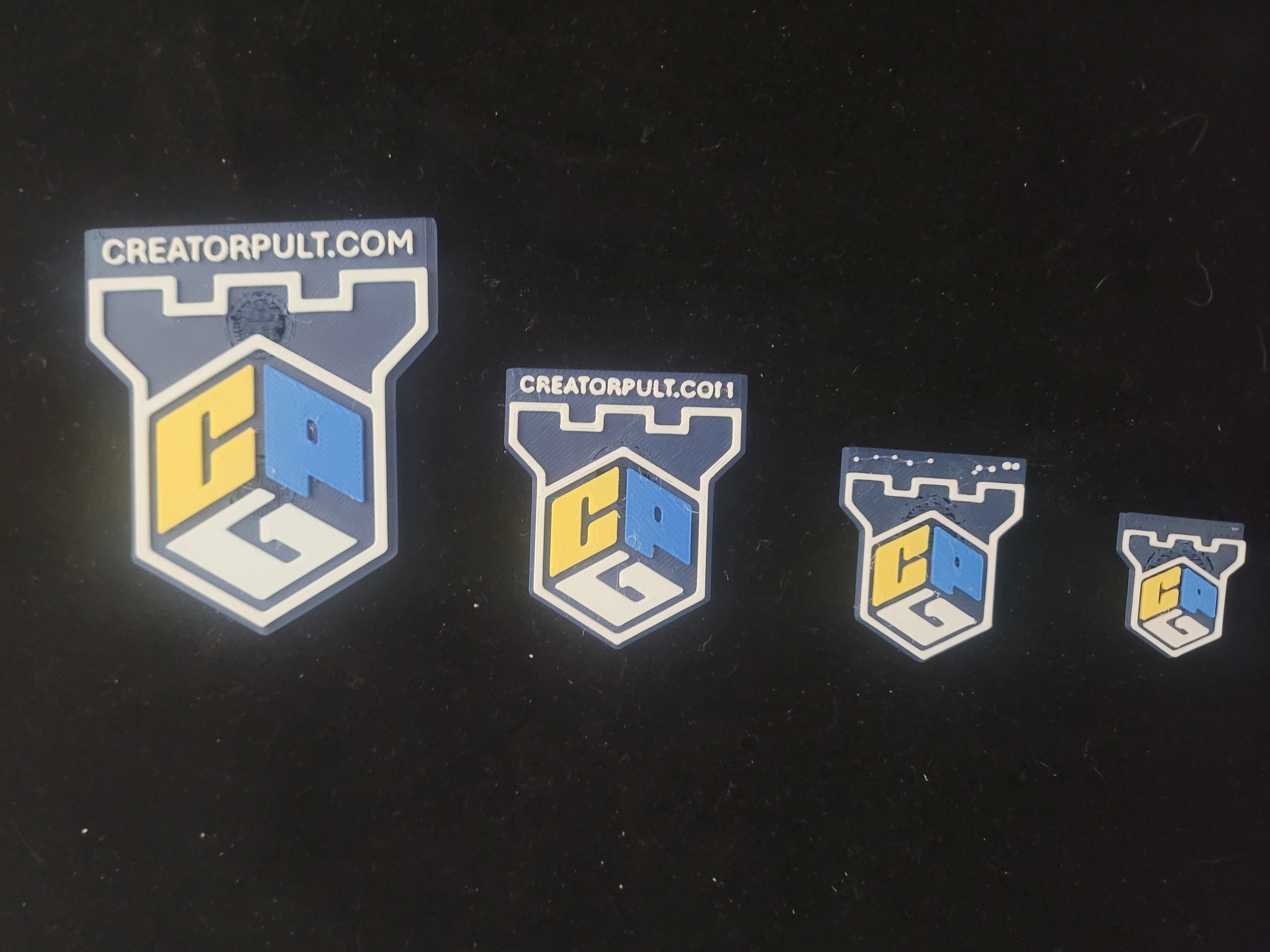
3D printing builds a part directly from a digital model by laying down thin layers of material, one on top of the next. It's one of the quickest ways to go from a design to something you can hold, and it suits prototypes, replacement parts, custom one-offs and small runs where traditional manufacturing wouldn't make sense.
We use FDM printing, which builds parts from melted plastic filament. Parts are strong and economical. Fine layer lines are visible up close, and they can be sanded and finished smooth when the look matters.
Good to know
Materials
Each material balances strength, heat resistance and finish differently. Not sure which you need? Describe how the part will be used and we'll recommend one.
The everyday standard for detailed models and prototypes. It starts to soften at around 50–60 °C (120–140 °F), so it isn't the right choice for parts that will sit in heat.
Good for: models, prototypes, décor, gifts
Tougher and less brittle than PLA, and it handles more heat (around 70–90 °C, or 160–195 °F). A dependable choice for parts that get handled and used.
Good for: brackets, containers, functional parts
Strong and heat resistant (around 95–110 °C, or 200–230 °F), which suits parts under mechanical stress. It can be smoothed for a cleaner finish.
Good for: enclosures, housings, parts near heat
Beyond these three, there are filaments made for nearly any purpose: flexible, weather-resistant, heat-resistant, reinforced and more. If you aren't sure which to pick, describe how the part will be used and we'll include a material suggestion, with our reasoning, alongside your quote.
Good for: parts with unusual demands
How it works

Your 3D model file, or the simple part you want copied, plus the material, color and quantity you have in mind. Starting from an idea instead? That's a Design project.

PLA, PETG, ABS or a specialty filament. If you're unsure, we'll recommend what suits the part's job.

Support material is removed and any finishing is done in-house before your part is handed over.